BEWI's milestones 2025: Turning circularity into industrial practice

Interview with Camilla Louise Bjerkli, Chief Sustainability Officer

From collection and recycling to scaling circular capabilities

In 2025, BEWI continued to scale its circular business model by collecting more used EPS and including a higher share of recycled feedstock in its products. We spoke with Camilla Louise Bjerkli, Head of Sustainability, about the highlights, the work behind, and what comes next
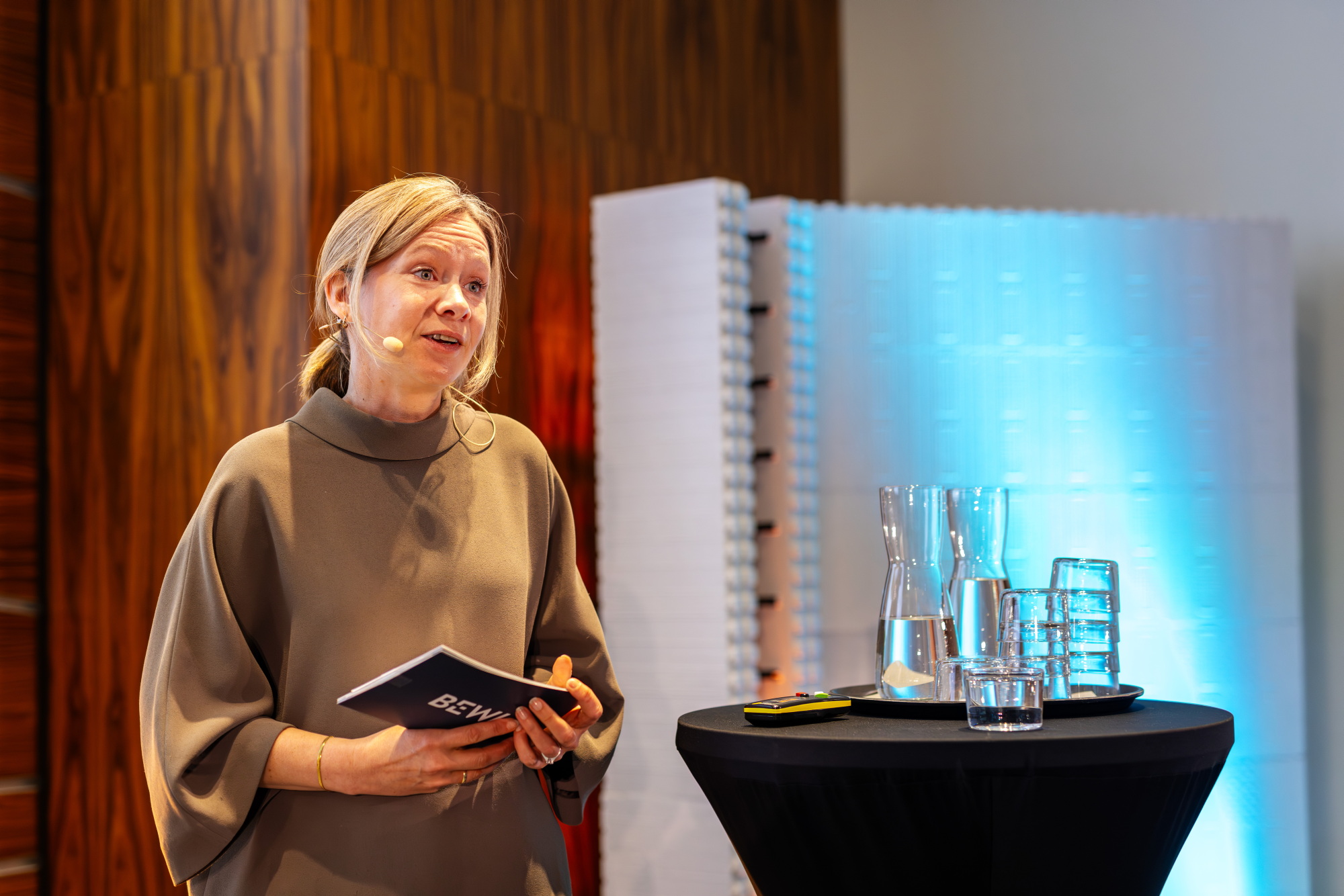
Camilla, when you look back at 2025, what stands out to you the most?

What stands out, is how our strategic priorities have translated into operational results across the organisation. We have delivered solid progress on circularity and embedded circularity into how we run the business and make decisions every day. This is further supported by our near-term climate targets being validated by the Science Based Targets initiative, confirming alignment with a 1.5-degree pathway and providing a clear and credible plan going forward.

BEWI collected almost 40 000 tonnes of used EPS last year. What enabled that growth?

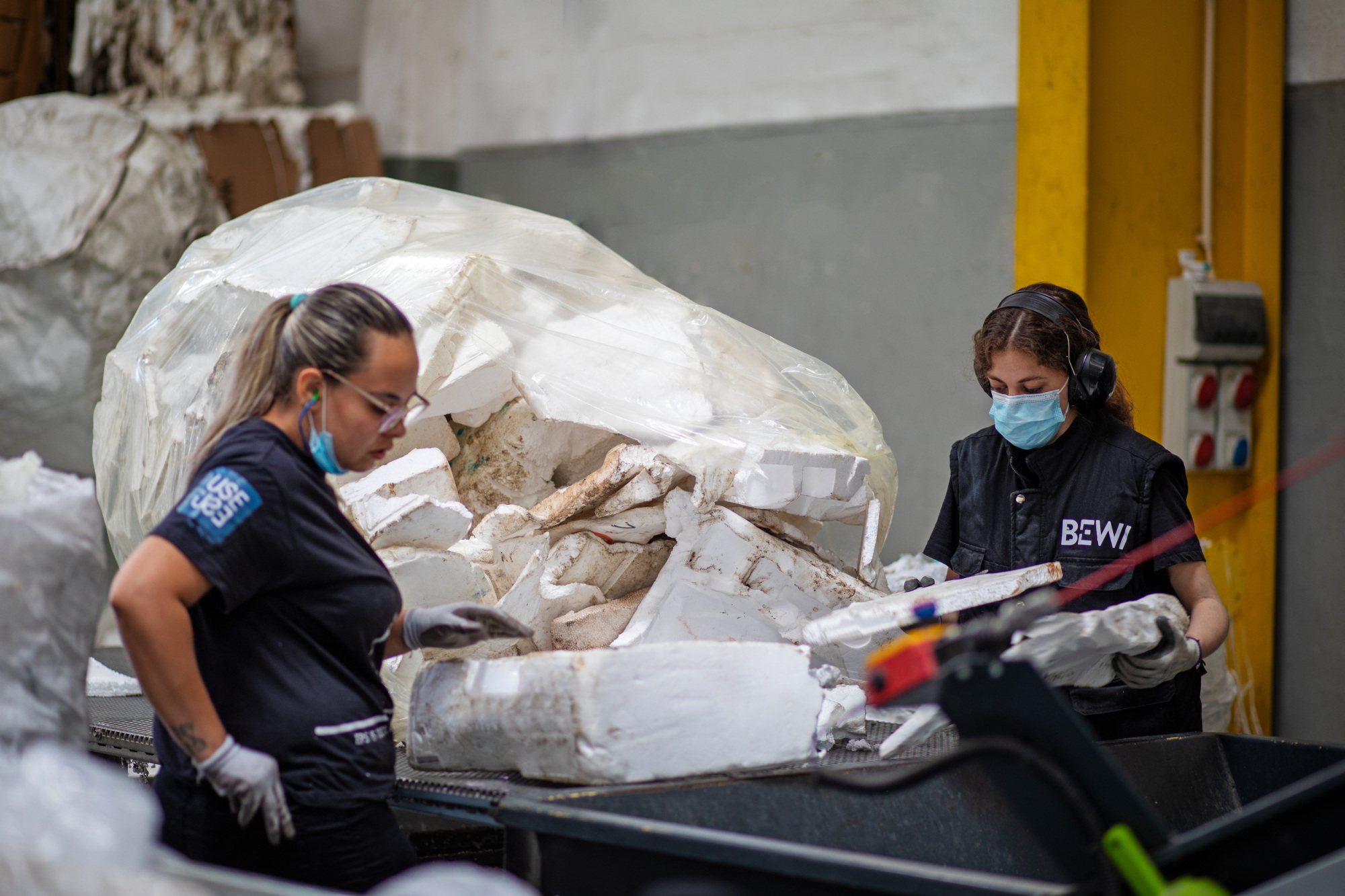
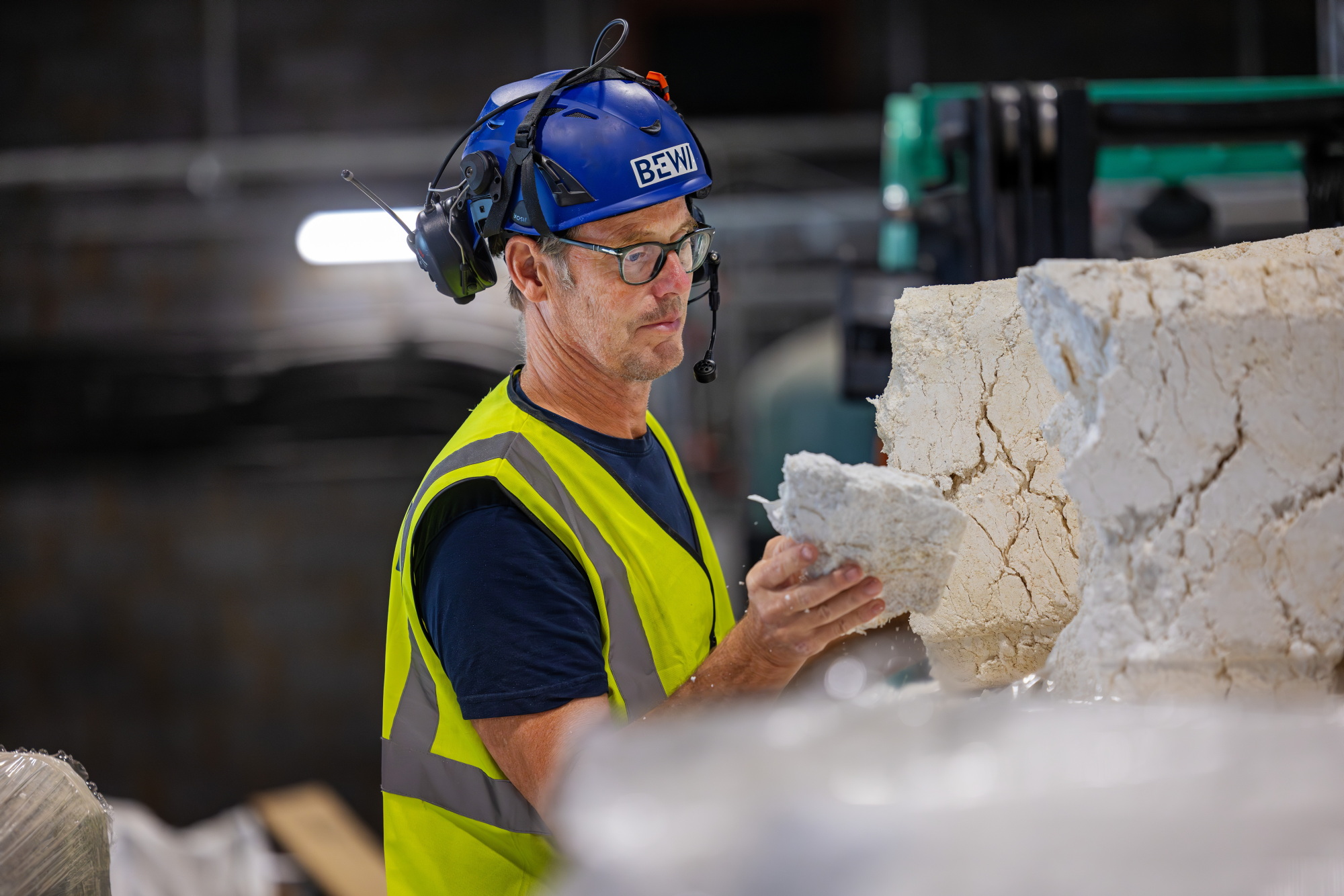
It comes down to scale, structure, and collaboration across the value chain. The circular hub in Norrköping have strengthened logistics, efficiency and capacity, while our teams across countries and markets have improved collection schemes and partnerships. Higher collection volumes give access to more recycled feedstock. That, in turn, enables increased use of recycled materials in our products and reduce reliance on virgin raw materials.

One key milestone is the increased share of recycled materials in the product offering. Why is this important?

Reaching 34 per cent recycled or non‑fossil raw materials, which is above our 30 per cent target, shows that our circular model works at scale. The Packaging and Packaging Waste Regulation (PPWR) sets requirements for a minimum of 30 per cent recycled content in packaging from 2030. Reaching this level today shows that the necessary capabilities are already in place.

By integrating circularity into our industrial setup, we reduce emissions, improve resource efficiency and strengthen our cost position over time.

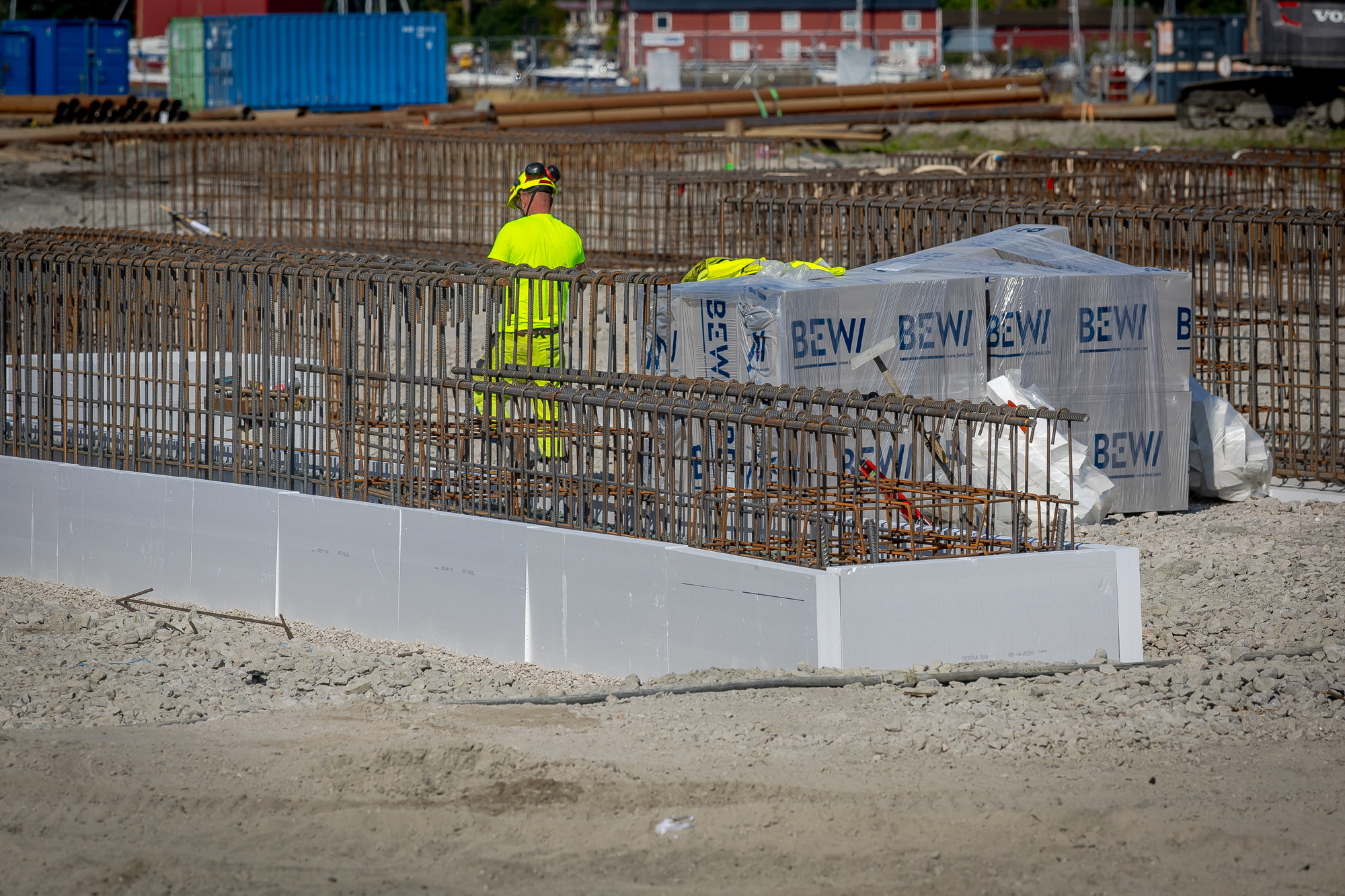
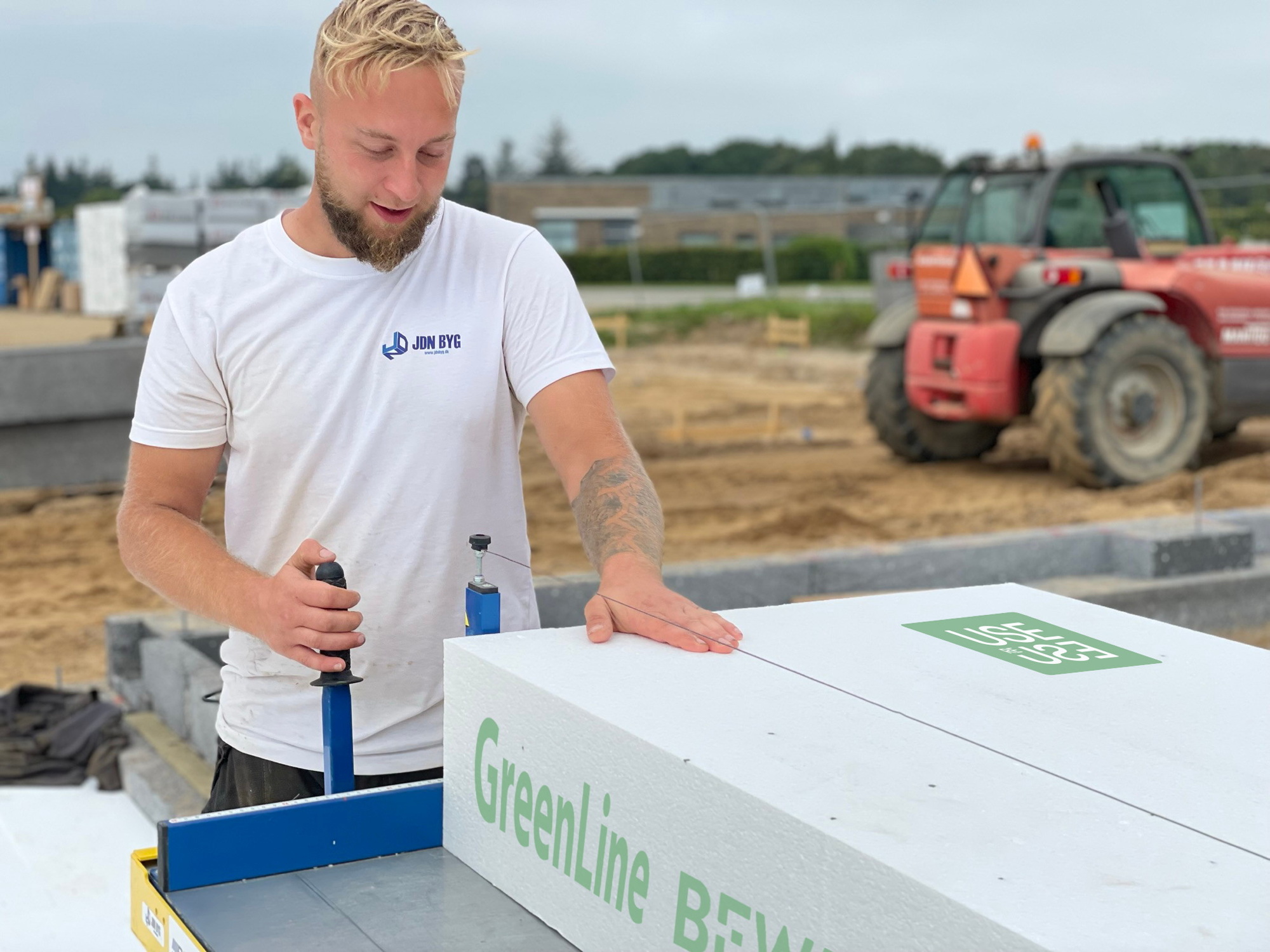
For customers, this means access to products with higher recycled content and lower CO₂ emissions – such as GreenLine EPS and Terra XPS – supported by Environmental Product Declarations (EPDs). As requirements become stricter, this provides more predictable and compliant solutions while supporting customers’ sustainability targets. The shift in the market is clear: Customers are asking for documented performance, not ambitions.

What are the main environmental priorities going forward?

Our focus is on scaling what already works, from collection and recycling to product development and improved resource efficiency. We see significant potential to further scale circularity through closer collaboration with customers, autorities and partners, making circular solutions increasingly competitive.